Cutting AI Coding Agent Costs: Caching, Routing, Context
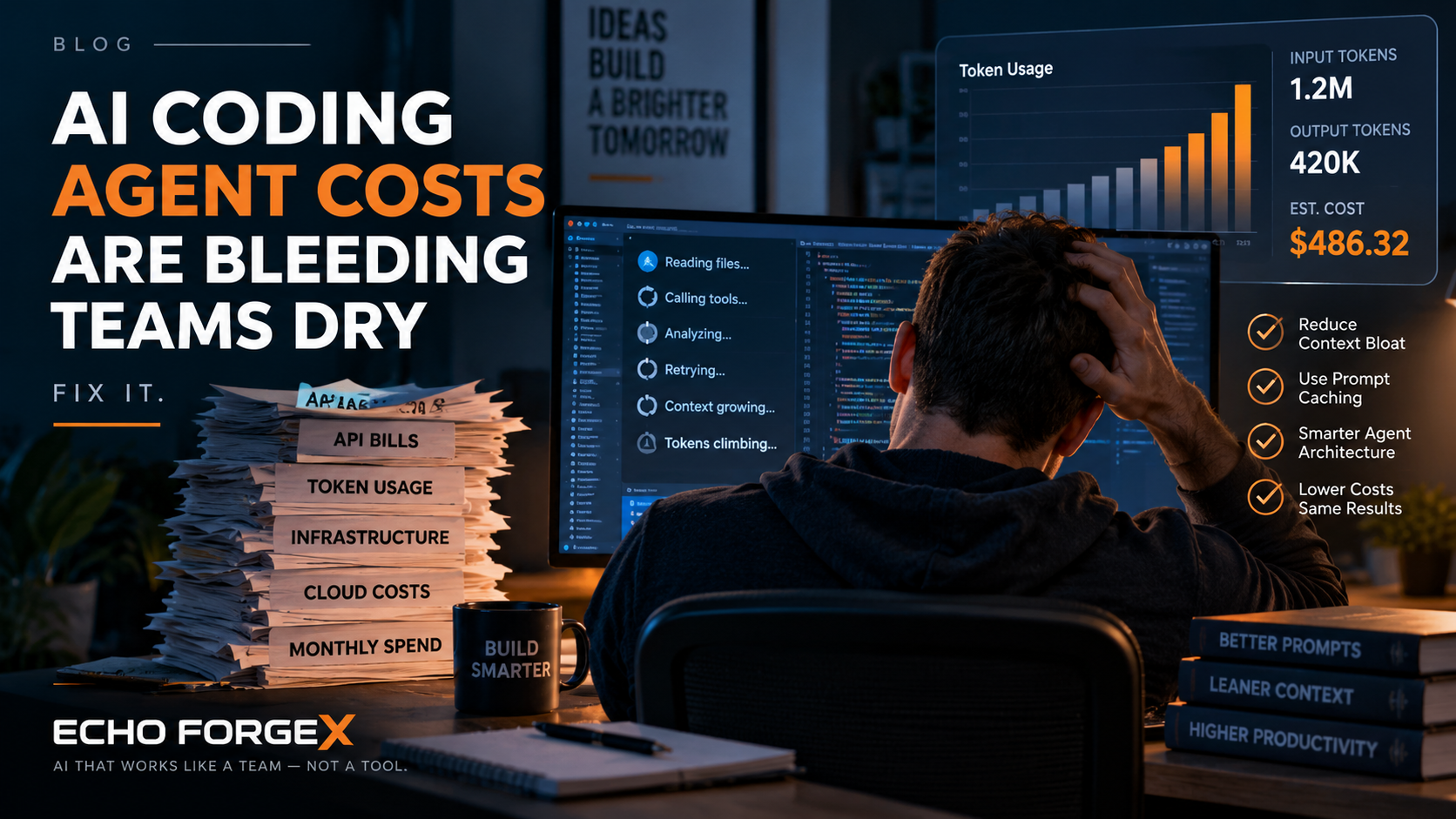
AI coding agent costs grow with context, tool output and retries. Prompt caching, model routing and context compression cut them without changing what the agent does.

How-tos, deep dives, tutorials
AI coding agent costs grow with context, tool output and retries. Prompt caching, model routing and context compression cut them without changing what the agent does.
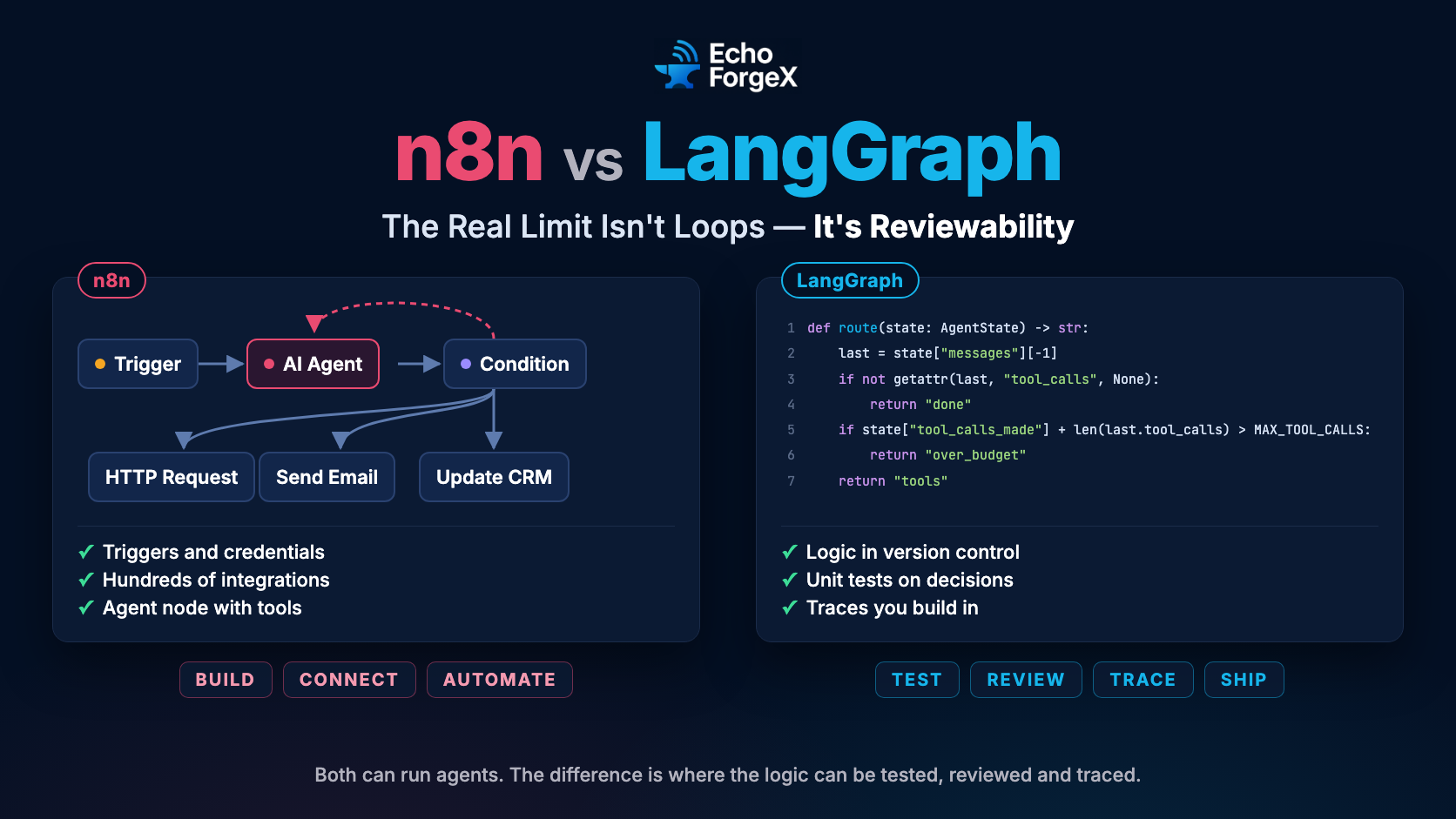
n8n vs LangGraph: both can run agent loops now. The real difference is where agent state, tests and traces live as your logic grows. How to split them.
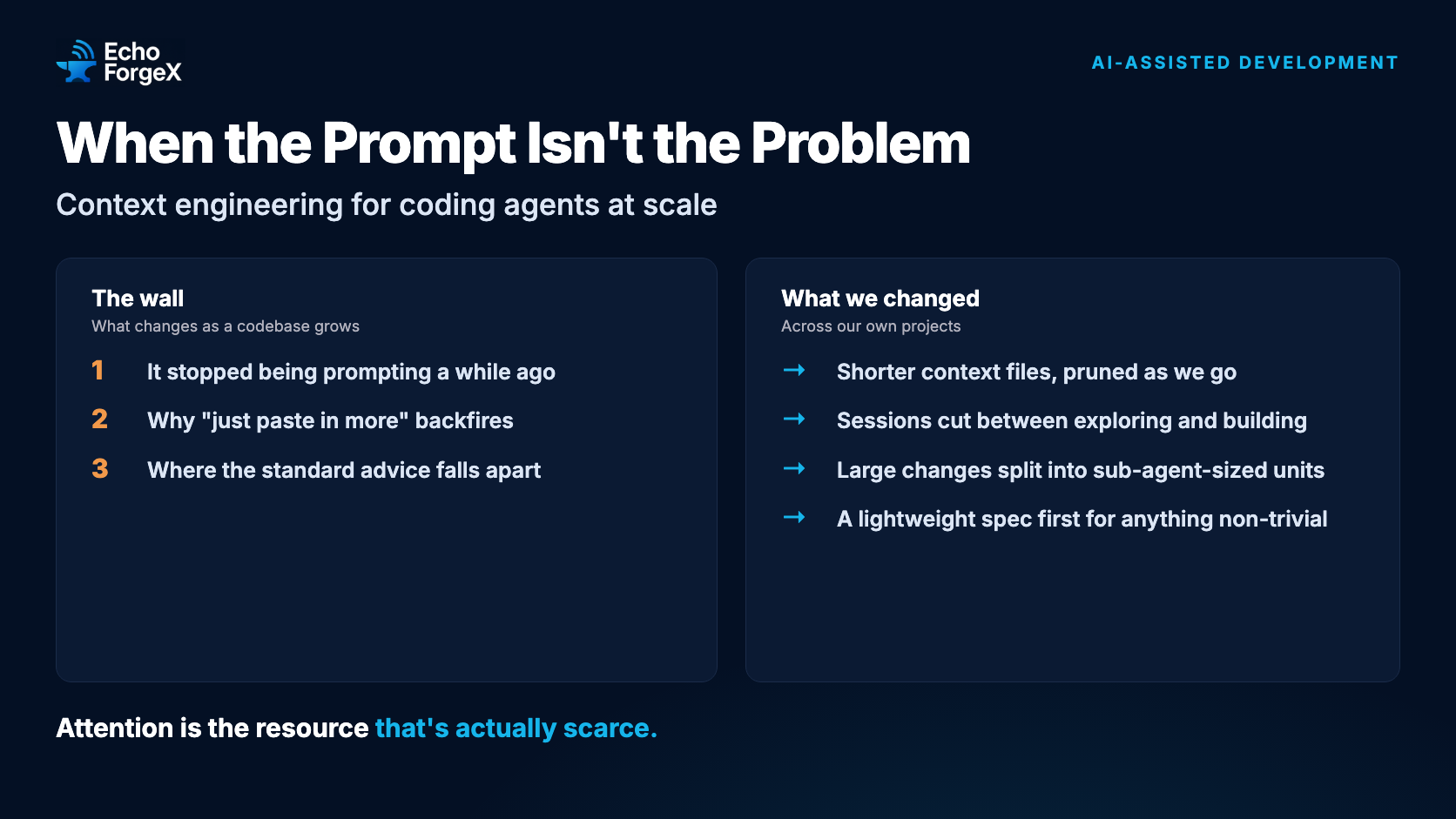
As codebases grow, better prompting stops helping. The real discipline is context engineering – and the most popular advice about it has weak evidence behind it.
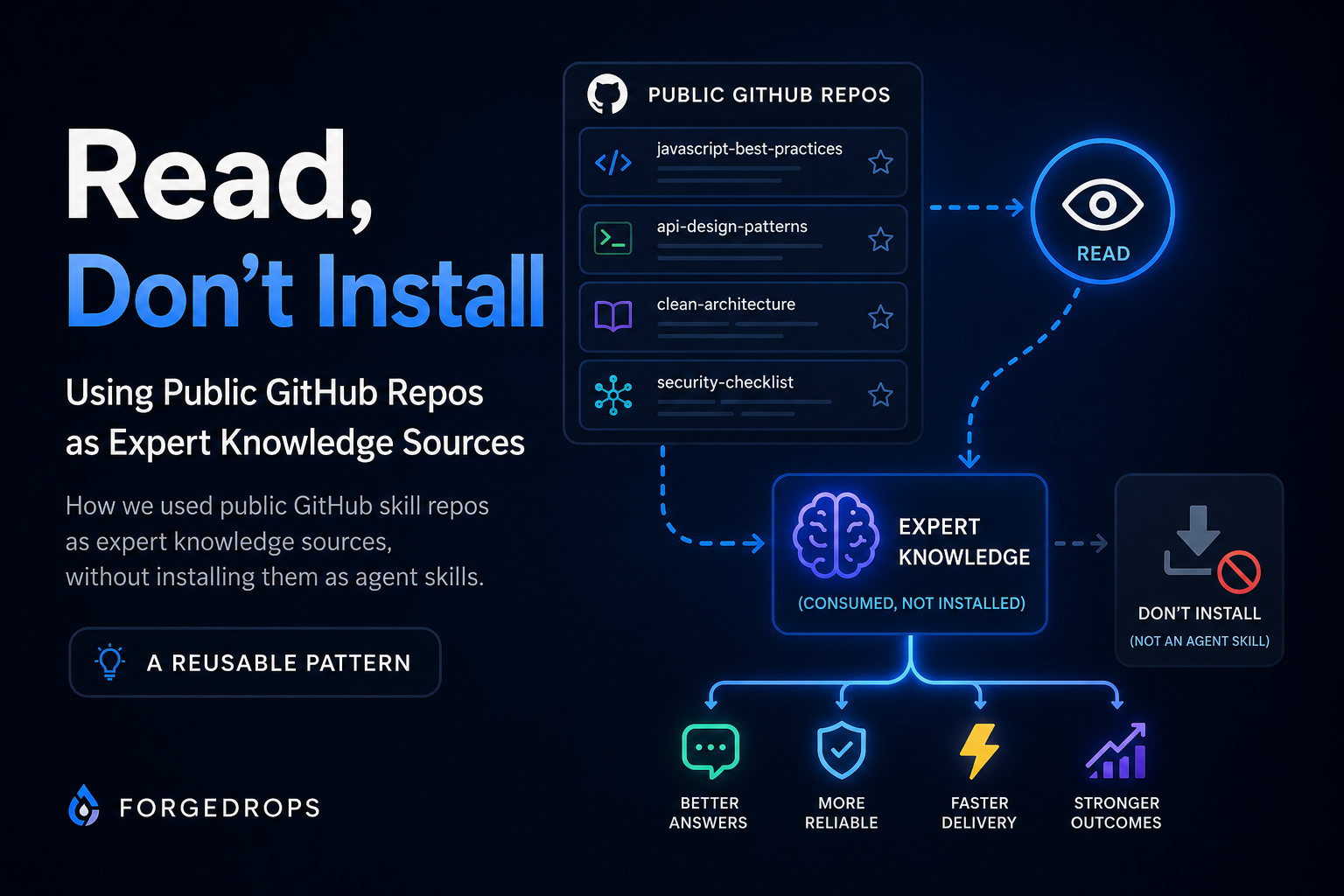
How we used public GitHub skill repos as expert knowledge sources for ForgeDrops, without installing them as agent skills. A reusable pattern.
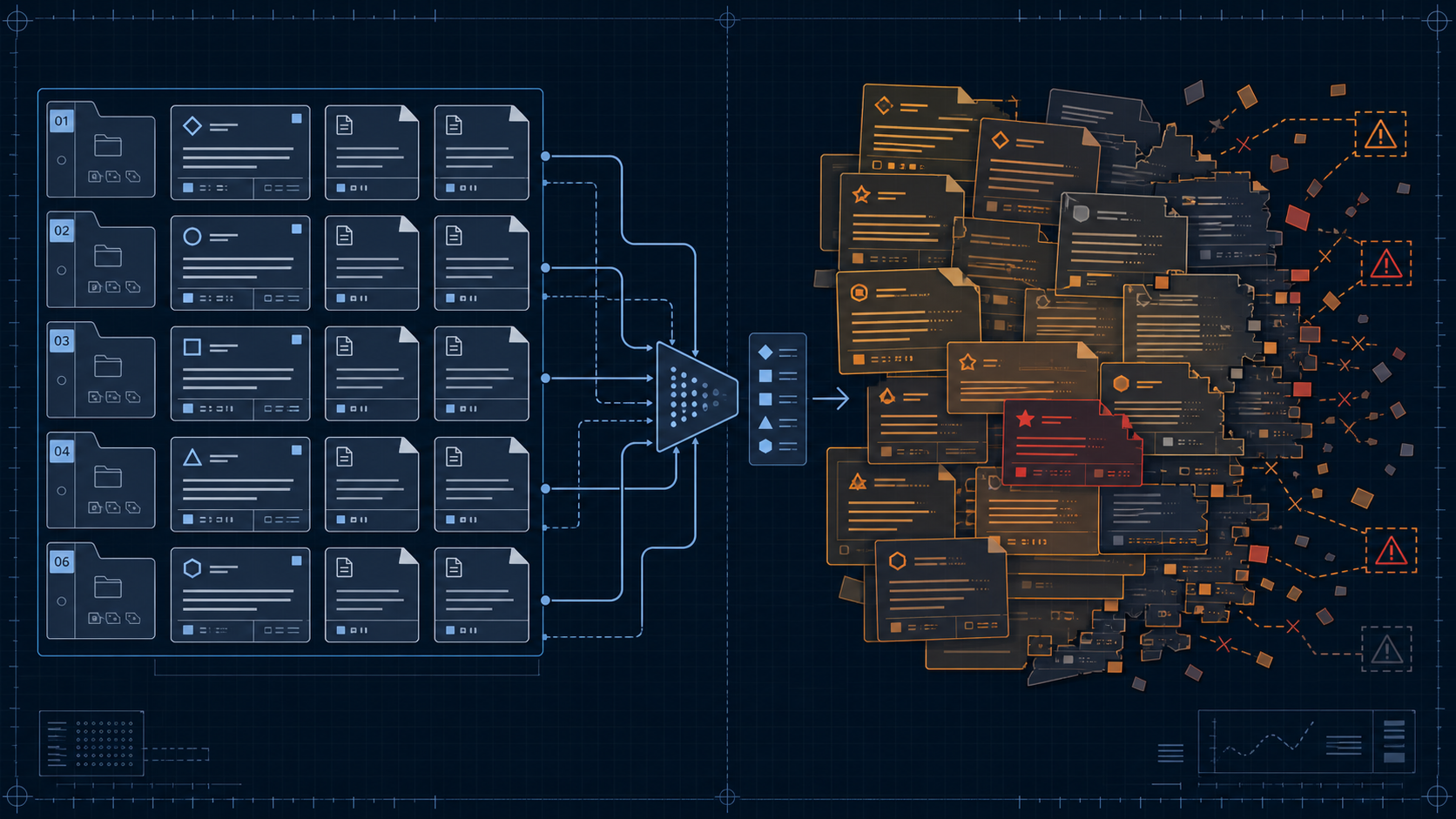
Prompt-based AI governance fails predictably. Research shows up to 61.8% adherence degradation under real conditions — and the fix isn’t better prompts.

Most AI apps send every request to a premium model regardless of complexity. A tiered gateway pattern routes to a self-hosted model first, cutting costs 40-85% without sacrificing quality.
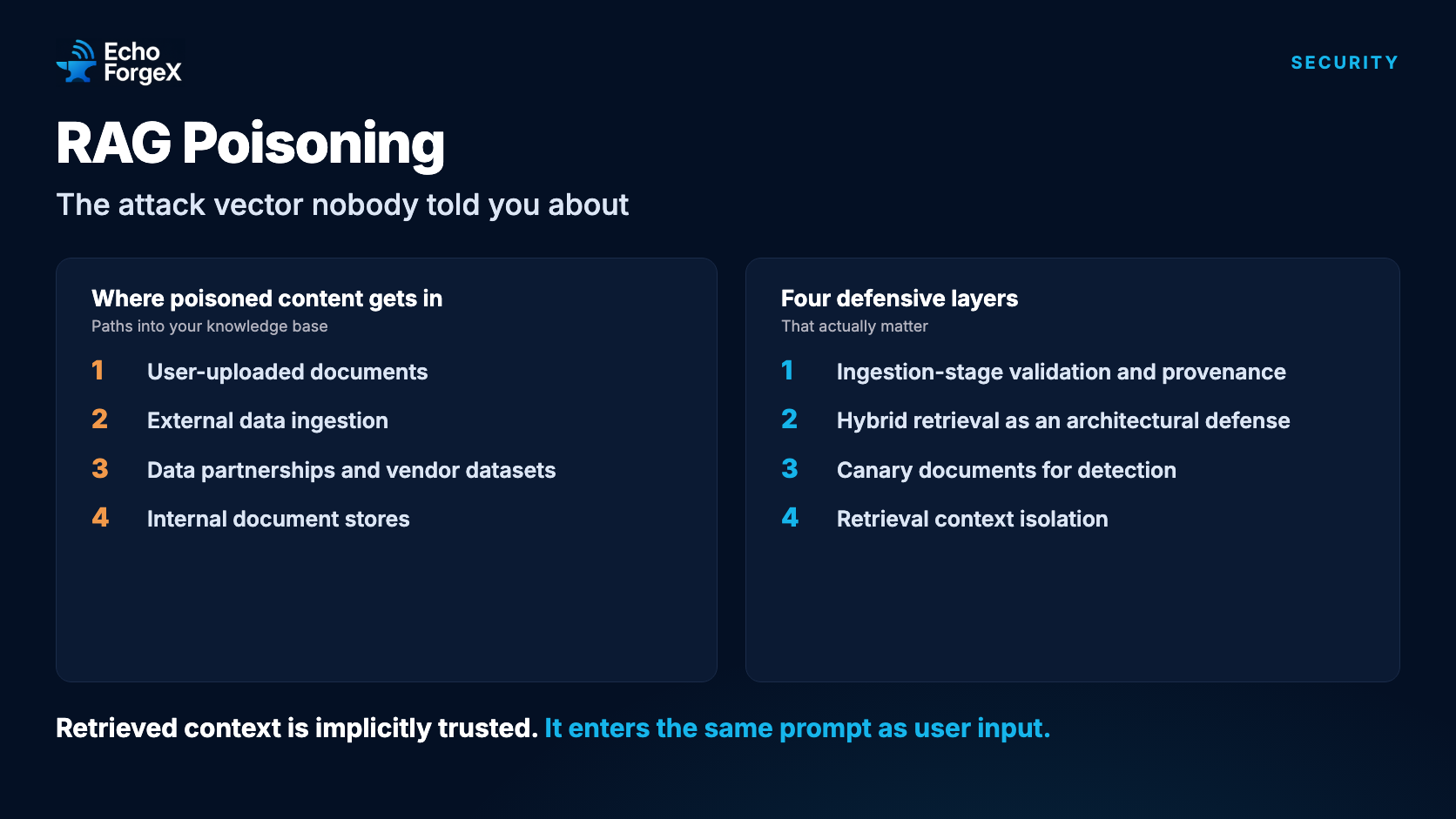
RAG poisoning attacks can corrupt an AI knowledge base with as few as 5 documents. Here’s how the attack works and the four defenses your pipeline needs.

The Karpathy LLM wiki pattern turns raw sources into a self-maintaining Obsidian knowledge base – here’s how it works and the provenance gap most tutorials skip.
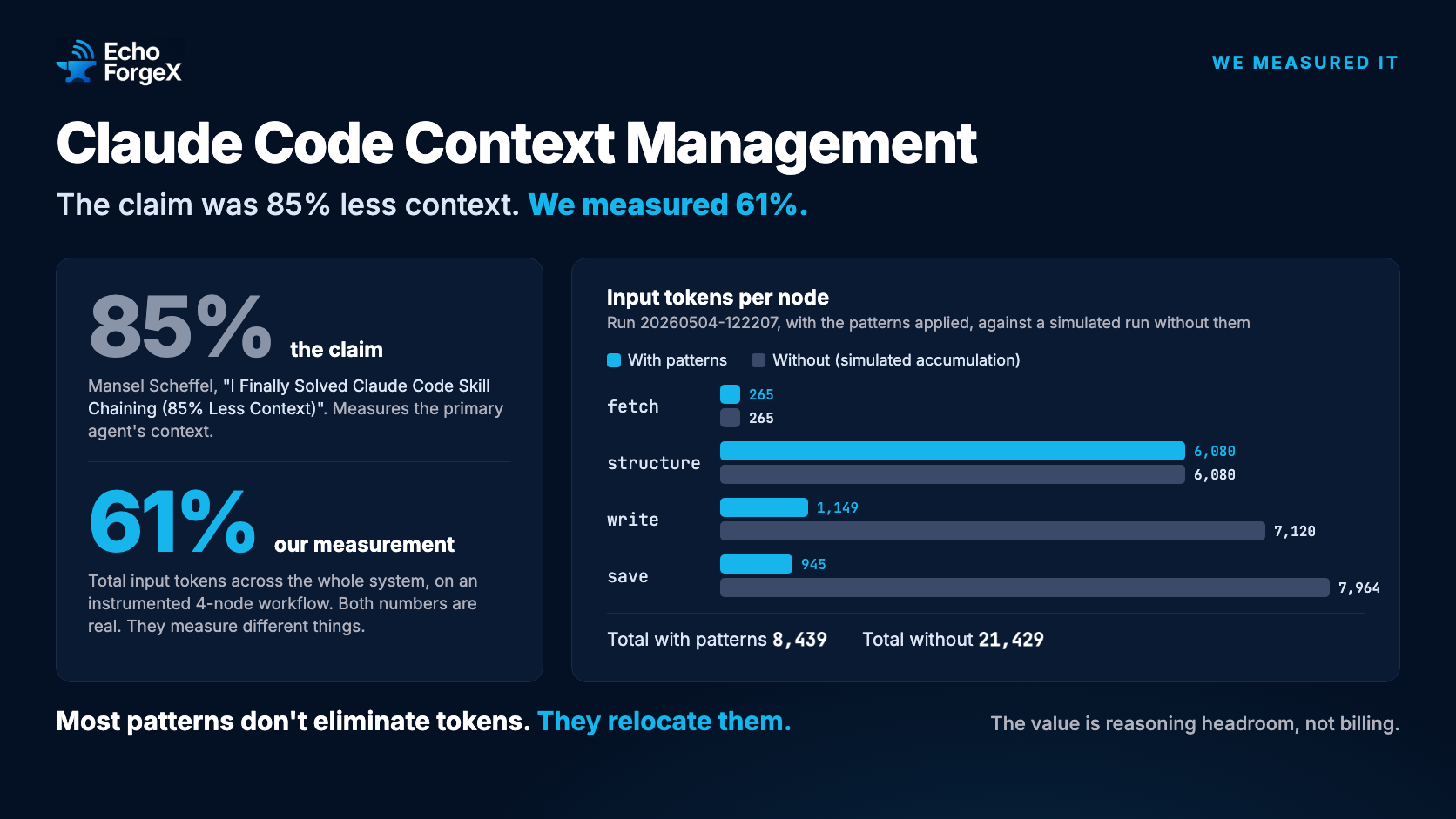
We instrumented Claude Code skill chaining to validate the 85% context reduction claim. Finding: 61%—and the value is reasoning quality, not billing.
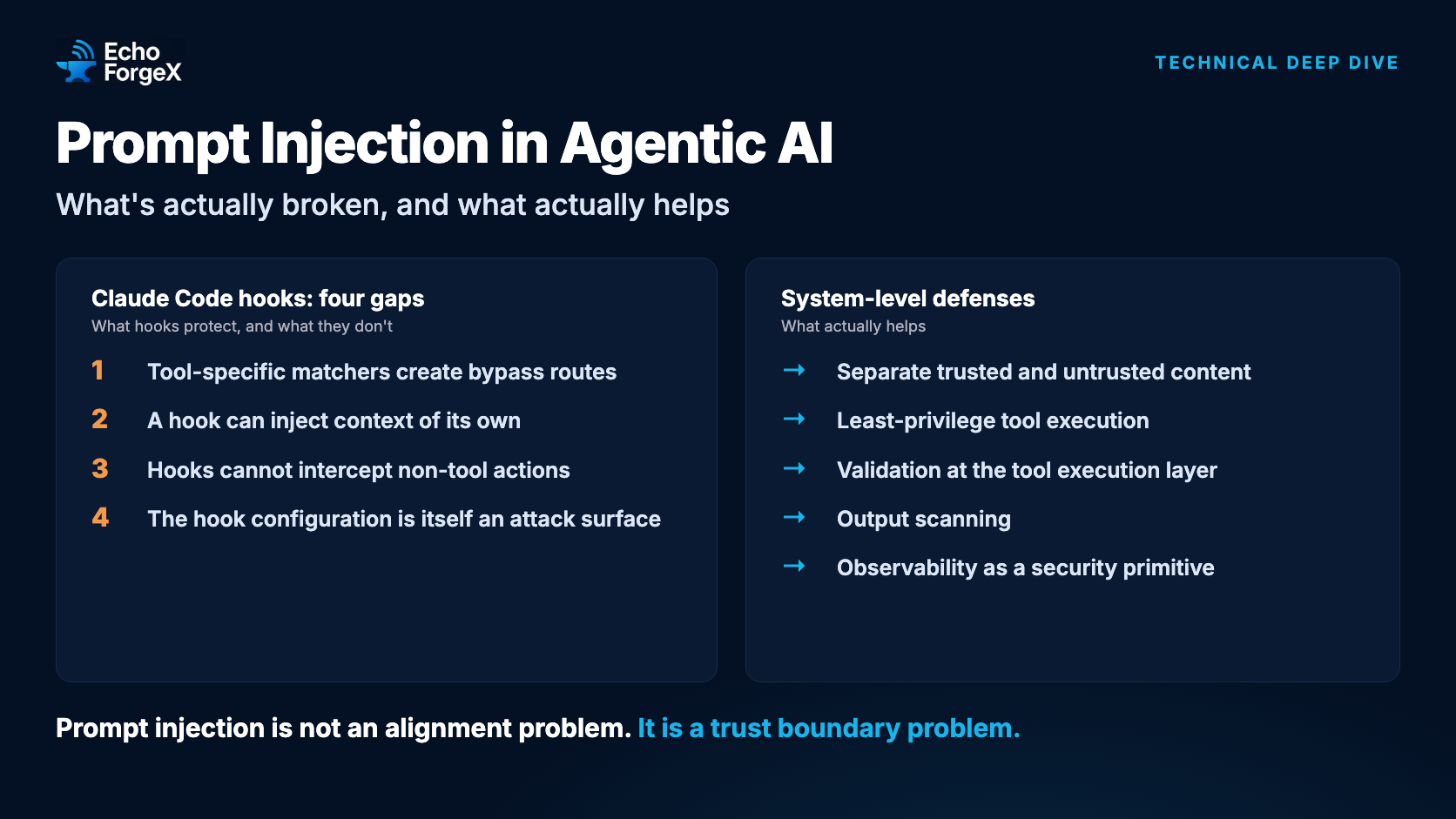
A detailed technical analysis of prompt injection vulnerabilities in agentic AI systems — Claude Code hooks, API tool execution, indirect injection, and why prompt engineering alone cannot fix this.